

An emergency plumbing checklist can help limit damage before a plumber arrives. Find the danger, shut off the water, and keep people away from unsafe areas. Protect floors and belongings, avoid electrical risks, and record what happened. These steps give West Chester Plumber useful details for emergency plumbing help in West Chester.
Table of Contents
- What should you do first during a plumbing emergency?
- How do you shut off the water during a plumbing emergency?
- How can you reduce water damage before the plumber arrives?
- What should you do about a burst pipe or major leak?
- How should you respond to an overflowing toilet or backed-up drain?
- What should you check when a water heater suddenly fails?
- What information should you give the emergency plumber?
- Frequently Asked Questions
- Conclusion
What should you do first during a plumbing emergency?
First, find the source and move people away from danger. A plumbing emergency may include a burst pipe, fast leak, sewage backup, or failed water heater. Move children, pets, and visitors away from wet or unsafe areas. The emergency plumbing checklist should always begin with safety, not cleanup.
How to identify the source and immediate danger
Look for dripping ceilings, wet walls, damaged floors, or water near fixtures. Listen for hissing sounds from walls or pipes. Check whether the water looks clean or dirty. Supply-line water may be clean, but drain or toilet water can carry germs.
Do not touch dirty water without proper protection. A leak near an outlet, appliance, electrical panel, or wire needs extra care. Never step into standing water when electricity may be present. Leave the area if there is a risk of shock, fire, serious injury, or a weak ceiling.
Call emergency services if there is an active electrical, fire, gas, or structural danger. A licensed plumber can work on the plumbing after the area is safe. West Chester Plumber can help assess urgent plumbing problems in West Chester once those immediate dangers are controlled.
When to evacuate an area or call emergency services
Leave the area if water spreads near electrical equipment, a ceiling sags, sewage rises, or you smell gas. A suspected gas leak needs quick evacuation. Call the gas utility or emergency services from a safe place. Do not ask plumbing workers to handle a fire or active electrical danger.
Tenants should tell the property owner or manager at once. Businesses should close wet or unsafe spaces. Keep customers and staff away until the area is checked. Good plumbing advice starts with keeping people safe.
How do you shut off the water during a plumbing emergency?
Shutting off water is often the fastest way to limit damage. The main shutoff valve controls water entering the building. It may be near the water meter, where the service line enters the home, or in a basement, crawl space, garage, utility room, or outside wall.
Every household should know where this valve is before an emergency. Property owners and business managers should label it clearly. This simple step can save time during a major leak.
Finding the main water shutoff valve
The valve may have a round handle or a lever. Turn a round handle clockwise until it stops. Turn a lever until it crosses the pipe. Never force a stuck valve. Force can break the valve or pipe.
If the main valve will not close, contact the water provider or an emergency plumber. After the valve closes, open a low faucet for a short time. This may release pressure left inside the pipes. Watch the faucet and the leak for changes.
If water still flows from the service line or meter, the problem may be outside the building’s private plumbing system. Tell the plumber what happened. This detail can help point to the right repair.
Turning off fixture-specific water supplies
A toilet, sink, dishwasher, washing machine, or water heater may have its own shutoff valve. Close the valve behind a toilet or below a sink by turning it clockwise. Appliance valves may be behind or below the unit. Washing machine valves are often on the wall behind the machine.
Fixture valves help when only one item leaks. They allow other parts of the building to keep working. Do not keep turning a valve that feels stiff, rusty, or damaged. Tell the plumber which valves you checked and whether the water flow changed.
How can you reduce water damage before the plumber arrives?
After the water is controlled, protect the building and belongings. Move furniture, rugs, boxes, electronics, and other items away from the wet area if it is safe. Use towels, buckets, or plastic containers under small drips. Do not create another hazard while trying to save property.
Protecting floors, walls, furniture, and belongings
Place towels around a small leak to slow the spread. Lift furniture legs with blocks or move furniture to a dry room. Do not carry heavy items through deep water. Open cabinet doors under a sink when the area is safe. This lets air reach hidden moisture.
Do not cut into a wall or ceiling to find a leak. Water may travel far from its source. A plumber can use proper tools to trace the problem. Take photos before major cleanup. These photos can help with property records and insurance claims.
Handling standing water and electrical hazards
Standing water needs careful handling. Do not use a household vacuum unless it is made for water and the electrical setup is safe. Do not use fans, pumps, or appliances in wet areas when cords, plugs, or controls may be damaged.
Keep everyone away from water near outlets and electrical panels. Clean water from a small supply leak may be wiped up when power is clearly safe. Sewage, toilet overflow, and drain water need stronger care. Wear gloves and keep dirty items away from food areas.
After plumbing repair, the building may still need drying and cleaning. A water damage professional may be needed after sewage or a large leak. Do not assume a dry surface means the wall or floor underneath is dry.
What should you do about a burst pipe or major leak?
A burst pipe needs quick water shutoff and careful control of the leak. The emergency plumbing checklist should note where the leak is, how large it is, and where water is moving. Do not try to make a permanent repair with tape, glue, or tools unless a qualified professional gives clear instructions.
Temporary steps should only limit damage until help arrives. A pipe can burst because of freezing weather, rust, impact, high pressure, or a failed connection. Leaks may also hide inside walls or below floors.
Temporary steps for exposed or accessible pipe damage
If the pipe is visible and the main water is off, place a bucket beneath the opening. Use towels to guide drips into the bucket. Do not wrap towels around electrical cords, outlets, or fixtures. A rubber patch or repair clamp may help in some cases, but it is not a full repair.
Never use a torch or open flame on a pipe. Heat can start a fire or harm nearby materials. Do not open walls or floors to reach a hidden pipe. Leave that work to the plumber.
Information to document for the emergency plumber
Write down where the pipe is and when the leak began. Note whether the water slowed after the main valve closed. Take photos of the pipe, damage, valves, and warning signs. Keep broken parts only when they can be removed safely.
Tell West Chester Plumber about the pipe material, recent cold weather, past repairs, and rooms reached by water. These details help prepare for the visit in the main West Chester area, including Downtown West Chester, West Goshen, East Goshen, Exton, Downingtown, Malvern, and nearby communities.
The plumber may also need to know if the leak started after a renovation or appliance change. Clear information can shorten the inspection. It can also help protect hidden parts of the building.
How should you respond to an overflowing toilet or backed-up drain?
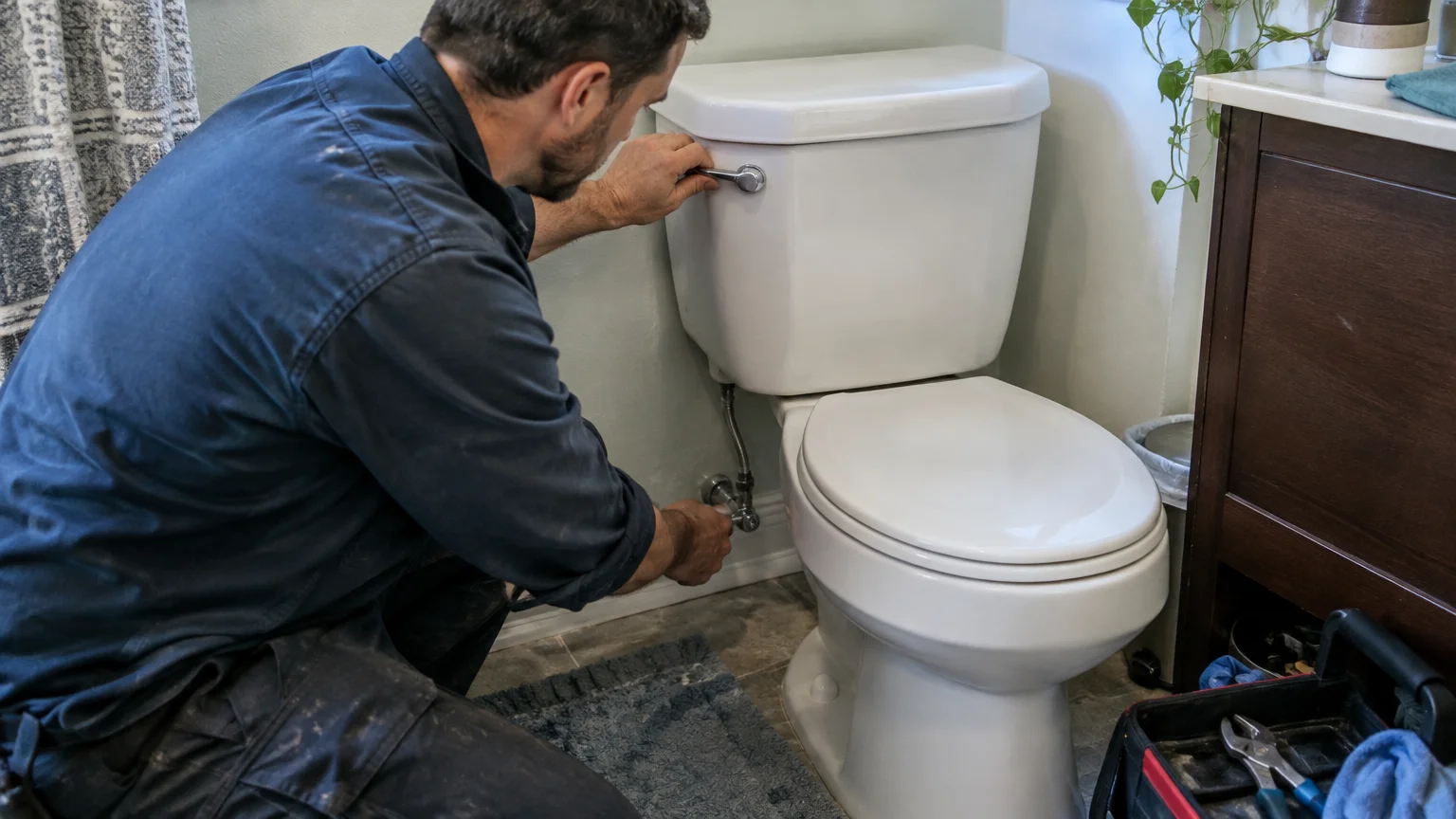
Stop an overflowing toilet right away. Push the handle back to its normal position. Then close the small valve behind the toilet. If water keeps rising, lift the tank lid and raise the float or close the tank flapper.
Do not flush again. Repeated flushing can send more water onto the floor. If more than one fixture backs up, stop using sinks, tubs, showers, and toilets. Several blocked fixtures may point to a larger drain problem.
Stopping an overflowing toilet safely
Wear gloves when water may contain waste. Keep children and pets away from the bathroom. Do not remove a toilet or open a cleanout unless you understand the risk of a sudden sewage release.
A backed-up drain can spread dirty water quickly. Tell the plumber which fixtures are affected. Explain whether the problem changes when another fixture runs. This plumbing advice can help show whether the issue is local or in a shared drain line.
Why chemical drain cleaners can make the problem worse
Chemical drain cleaners can harm skin, damage pipes, and create fumes. They may also leave caustic liquid inside a blocked drain. That liquid can splash when a plumber opens the pipe or uses drain tools.
Tell the plumber if any product was used. A hair strainer, careful cleaning, or a plunger may work for a minor, isolated clog. A homeowner does not need a professional for routine strainer cleaning or a basic plunger attempt when no sewage is present.
Repeated clogs, slow drains throughout the building, or foul water need professional testing. Stop using the fixtures until the cause is known.
What should you check when a water heater suddenly fails?
A failed water heater may cause no hot water, a leak, strange sounds, or a safety risk. First, look for water around the tank, connections, drain valve, or pressure relief area. Keep people away from hot water and wet electrical parts.
Do not open panels or remove safety controls. A water heater can hold very hot water and pressure. Safe checks should stay outside the unit.
Safe checks for leaks, pressure, and unusual sounds
Check whether other fixtures still have hot water. A whole-building loss may point to the water heater or its fuel and power supply. Look for error messages on a tankless unit without removing its cover.
Note banging, popping, hissing, rumbling, or repeated cycling. These sounds can help the plumber find the cause. Do not touch the unit if water is leaking near wires or electrical controls.
For a gas water heater, never relight it when you smell gas or see poor airflow. Leave the area and contact the gas utility or emergency services. For an electric unit, do not touch the breaker or wiring when the floor is wet.
When to avoid touching the water heater
Avoid touching a leaking tank, hot discharge pipe, pressure relief valve, gas connection, or damaged electrical panel. Water from a heater can cause serious burns. A tank leak can also grow worse without warning.
Move people away and shut off the water only if the valve is safe to reach. West Chester Plumber helps property owners in West Chester with water heater repair, leak checks, and urgent plumbing work. The needed repair depends on the unit type, damage, access, and failed parts.
Plumbing costs can vary between a small part repair and major replacement work. The final cost is confirmed on a quote after the system is checked. A plumber should explain the needed work before repairs begin.
What information should you give the emergency plumber?
Give a short and clear report. State what happened, when it began, which areas are affected, and what steps you took. Explain whether the water is clean, dirty, hot, or still moving. Mention any valve that will not close.
Details that help the plumber prepare for the repair
Useful details include:
- The exact room, fixture, pipe, or appliance involved.
- Whether one fixture or several fixtures are affected.
- The location of the main and local shutoff valves.
- Any recent repair, cold weather, renovation, or unusual sound.
- Whether drain cleaner or another chemical was used.
- Whether water reached walls, ceilings, floors, outlets, or belongings.
Tenants should share property manager instructions and access rules. Business owners should explain operating hours, customer areas, and closed sections. Property owners should provide safe entry details and mention earlier plumbing work.
Key takeaways for preventing further damage
The most important steps are simple:
- Shut off the main or fixture water supply when it is safe.
- Keep people away from sewage, hot water, electricity, and weak ceilings.
- Do not use open flames, damaged equipment, or harsh drain chemicals.
- Photograph the problem and record what changed after shutoff.
- Tell the plumber about products used and valves that failed.
Prepare before trouble starts by labeling shutoff valves. Keep gloves and buckets in an easy-to-reach place. Learn where the main valve sits. Routine cleaning can help with some clogs, but hidden leaks and major failures need professional testing.
Frequently Asked Questions
What should someone do if a pipe bursts in the home?
Shut off the main water valve if it is safe. Move people away from wet electrical areas. Place a container under a visible leak and protect belongings without entering unsafe water. Take photos and contact an emergency plumber. Do not use heat, flames, or permanent repair methods without professional guidance.
How can someone find a plumbing leak?
Check exposed pipes, ceilings, walls, cabinets, toilets, and appliances. Look for wet spots, stains, sounds, or mold. A water meter that moves while all fixtures are off may suggest hidden flow. Do not cut into walls to search. A plumber can use leak detection tools safely.
How can someone find a water leak in the house?
Start with toilets, faucets, water heaters, washing machines, and visible supply lines. Look for warped floors, bubbling paint, damp cabinets, or a musty smell. If the source is not clear, close the main valve and watch whether the water stops. Professional testing may be needed for hidden leaks.
Is it safe to use a chemical drain cleaner during an emergency?
Chemical drain cleaner is usually a poor choice during an urgent blockage. It can damage pipes, create fumes, and leave harmful liquid inside the drain. A plunger may help with a small, isolated clog. Stop using fixtures when sewage rises, several drains back up, or the clog returns.
When should a homeowner call an emergency plumber?
Call when water will not stop, a pipe bursts, sewage backs up, or a major leak threatens the building. A water heater may also need urgent help when it leaks, becomes very hot, or has a fuel or electrical risk. Fire, gas smells, and structural dangers require emergency services first.
Conclusion
The right first steps can limit water damage and protect people. Shut off water when safe, avoid electrical and sewage hazards, and record what happened. Simple upkeep is suitable for minor clogs and routine checks. Burst pipes, hidden leaks, and unsafe water heater problems need a licensed professional.
West Chester Plumber supports urgent plumbing needs across West Chester and nearby communities. Contact us today for help with emergency plumbing and the next safe step.