

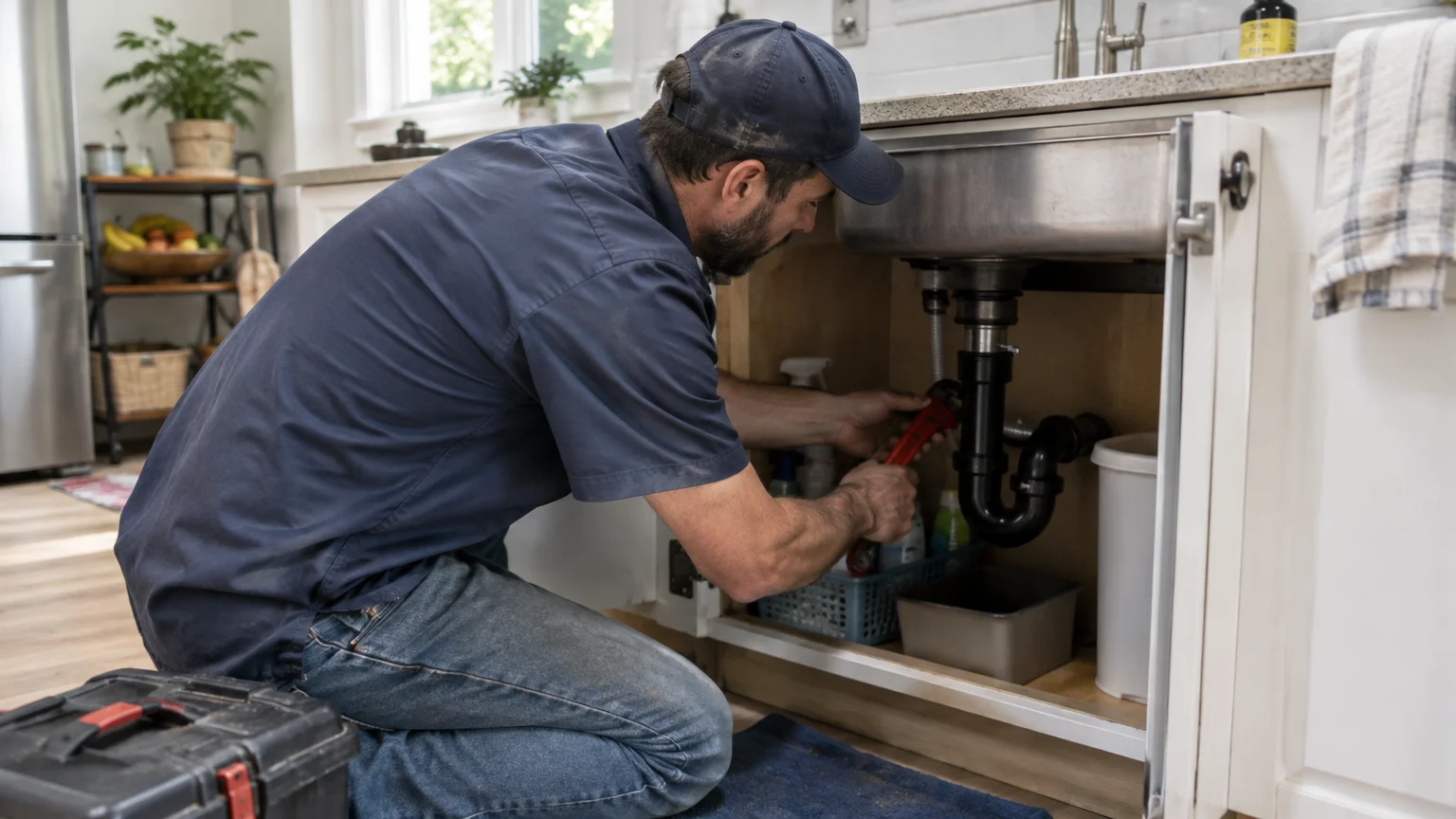
How to prevent drain clogs begins with keeping waste out of your pipes. Use sink strainers, keep grease and food from going down drains, remove bathroom hair, and clean stoppers often. These easy habits help West Chester homes avoid backups and keep plumbing flowing well.
What causes household drain clogs?
Household drain clogs form when waste sticks to the inside of a pipe. Water then moves more slowly. Over time, more hair, grease, food, soap, or dirt can collect in the same place. A small blockage may grow into a full backup.
A drain clog is a blockage that stops wastewater from moving through a pipe. Some clogs sit close to the drain opening. Others form deeper in the plumbing system, where basic home cleaning may not reach them.
How hair, grease, food, and soap buildup block drains
Hair is a common cause of bathroom clogs. It can catch on drain parts and mix with soap film. This creates a thick mass that traps more hair and leaves less room for water.
Grease and cooking oil cause a different problem. They may flow while warm, but they can cool and stick inside a pipe. Food scraps, coffee grounds, flour, and rice may also mix with grease and form a hard blockage.
Soap can leave a coating inside bathroom pipes. Hard water minerals may add to that layer. Mineral buildup means deposits left behind when water dries. These deposits can make a narrow pipe even harder to clear.
Which plumbing habits make clogs more likely
Many clogs start with small daily habits. Flushing wipes, paper towels, or hygiene products can overload toilet pipes. Pouring paint, chemicals, or thick cleaners into a drain may harm pipes and create safety risks.
Do not treat repeated slow drainage as a small issue. A drain that clears and slows again may have a deeper blockage. West Chester Plumber helps West Chester property owners find the cause before one problem affects nearby fixtures.
How can you prevent drain clogs in the kitchen?
Kitchen drains stay clearer when solid waste, grease, and fibrous food stay out of the pipe. A sink strainer should catch scraps. Cooking fats should cool before you place them in a sealed container. These steps protect the sink drain and the larger waste line.
What should never go down a kitchen sink
A garbage disposal does not make every food item safe for plumbing. Some foods expand, harden, or wrap around moving parts. Keep these items out of kitchen drains:
- Grease, cooking oil, and melted fat
- Coffee grounds and tea leaves
- Pasta, rice, flour, and bread dough
- Eggshells, bones, and fruit pits
- Fibrous scraps such as celery, onion skins, and corn husks
- Paint, solvents, and harsh chemicals
A disposal should only handle small amounts of suitable food waste. Cold water may help move limited scraps through the line while the unit runs. Follow the maker’s care instructions for cleaning and safe use.
How to maintain garbage disposals and sink strainers
Empty the strainer after each meal. Rinse it with warm water and mild dish soap. Clean a disposal by following its product instructions. Never place your hands inside the opening.
You do not need a professional for routine strainer cleaning or basic disposal care. Switch off the unit before checking for visible debris. If the disposal jams, leaks, smells strongly, or trips electrical protection again, a professional should inspect it.
A kitchen sink should drain at a steady pace without gurgling. If water rises in a second sink when the disposal runs, the blockage may sit farther down the shared drain. Drain Cleaning may help when home care does not restore normal flow.
How do you prevent clogs in bathroom drains?
Bathroom drains stay open when hair, soap, and dirt are removed before they enter the pipe. A cover or strainer can catch much of the hair near the drain opening. Regular cleaning works better than waiting for a complete blockage.
How to keep hair and soap from entering bathroom pipes
Clean a shower drain cover often, especially when several people use the bathroom. Lift out trapped hair with a paper towel and place it in the trash. Do not push the hair into the drain.
Bathroom sinks also collect hair, shaving debris, toothpaste, and soap. A small strainer can stop much of this material. If you shave over a sink, wipe away loose hair instead of rinsing it down.
A plunger may help with a simple, shallow blockage. The fixture should hold enough water to cover the plunger cup. Stop vigorous plunging if water backs up elsewhere. This may point to a larger drain problem.
Why regular cleaning of stoppers and drain covers matters
Sink stoppers can hold hair and soap below the visible drain. Remove and clean the stopper before the buildup moves deeper. Replace it with care so it seals and works well.
Chemical drain cleaners are not always a safe first choice. They can harm some pipe materials and create strong fumes. They may also remain in standing water. Never mix different cleaners. Follow the product directions and seek help when a blockage does not clear safely.
These habits support long-term plumbing maintenance in West Chester. They also help tenants, investors, and property managers notice changes early. West Chester Plumber can check recurring bathroom clogs when cleaning and careful plunging no longer solve the problem.
When should you call a professional plumber about a drain?
A professional plumber should inspect a drain when the same clog returns. Help is also needed when several fixtures drain slowly or wastewater backs up. These signs may point to a deeper blockage, damaged pipe, root intrusion, or a main sewer issue. Basic home care cannot always find or reach these problems.
Warning signs that a recurring clog needs expert attention
One slow drain may have a local blockage. Several slow drains suggest that the issue may be farther through the plumbing system. A professional can test the system and find where water flow is restricted.
Important warning signs include:
- The same drain clogs again soon after cleaning
- Toilets bubble when sinks, tubs, or appliances drain
- Water backs up into a shower or floor drain
- Several fixtures become slow at the same time
- The drain produces strong sewage odors
- A pipe leaks near a wall, ceiling, or cabinet
A leak may need quick attention even when the drain still works. Water can spread behind surfaces and lead to mold or damage. If a pipe bursts, shut off the water supply when safe. Stay away from nearby electricity, and arrange Emergency Plumbing help promptly.
What to do when plunging and basic maintenance do not work
Stop adding water when a fixture is backing up. Remove standing water only when it is safe. Keep children away from the area. Repeated plunging can push a blockage deeper or harm a weak fixture.
A professional may use a drain cable, inspection camera, or other equipment. The right method depends on the pipe location, material, access, and cause. A trained plumber can also check for leaks, damaged joints, or a larger sewer concern.
Key takeaways
- Use strainers to catch hair and food before they enter drains.
- Keep grease, coffee grounds, and expanding foods out of kitchen sinks.
- Clean bathroom stoppers and shower covers on a regular schedule.
- Treat repeated clogs, sewage odors, and several slow drains as warnings.
- Contact West Chester Plumber when safe home care does not restore normal flow.
Frequently Asked Questions
Can hot water prevent kitchen drain clogs?
Hot water may help move small amounts of soap or light residue. It will not remove a thick grease blockage. Grease can cool farther inside the pipe and stick again. The best prevention is keeping oil, fat, and food scraps out of the drain.
Is it safe to use baking soda and vinegar in a drain?
This method may loosen light residue, but it will not solve every blockage. Never mix it with commercial drain chemicals. If a drain remains slow, backs up, or smells like sewage, professional testing is safer than repeated home treatments.
Why does the same drain keep clogging?
A recurring clog may mean waste remains inside the pipe. It may also mean the pipe has poor flow or a deeper line has a problem. A professional can check the drain and nearby fixtures. Repeated chemical cleaner use may hide symptoms without fixing the cause.
When is a drain clog an emergency?
A clog becomes urgent when wastewater backs up, several fixtures stop draining, sewage odors appear, or a leak is present. A burst pipe also needs prompt action. Shut off the water supply if safe, and arrange professional plumbing support without delay.
Conclusion
Learning how to prevent drain clogs helps protect kitchens, bathrooms, and larger plumbing lines. Simple habits make the biggest difference: catch waste, keep grease out, clean drain parts, and respond to slow flow early. When symptoms return or spread, professional diagnosis may prevent more damage.
Contact us to arrange dependable drain help for your West Chester home or property.